2026-09-21 · Dave Harlan
Why Rapid City Homes Test High for Radon (Even though the EPA map says zone 2)
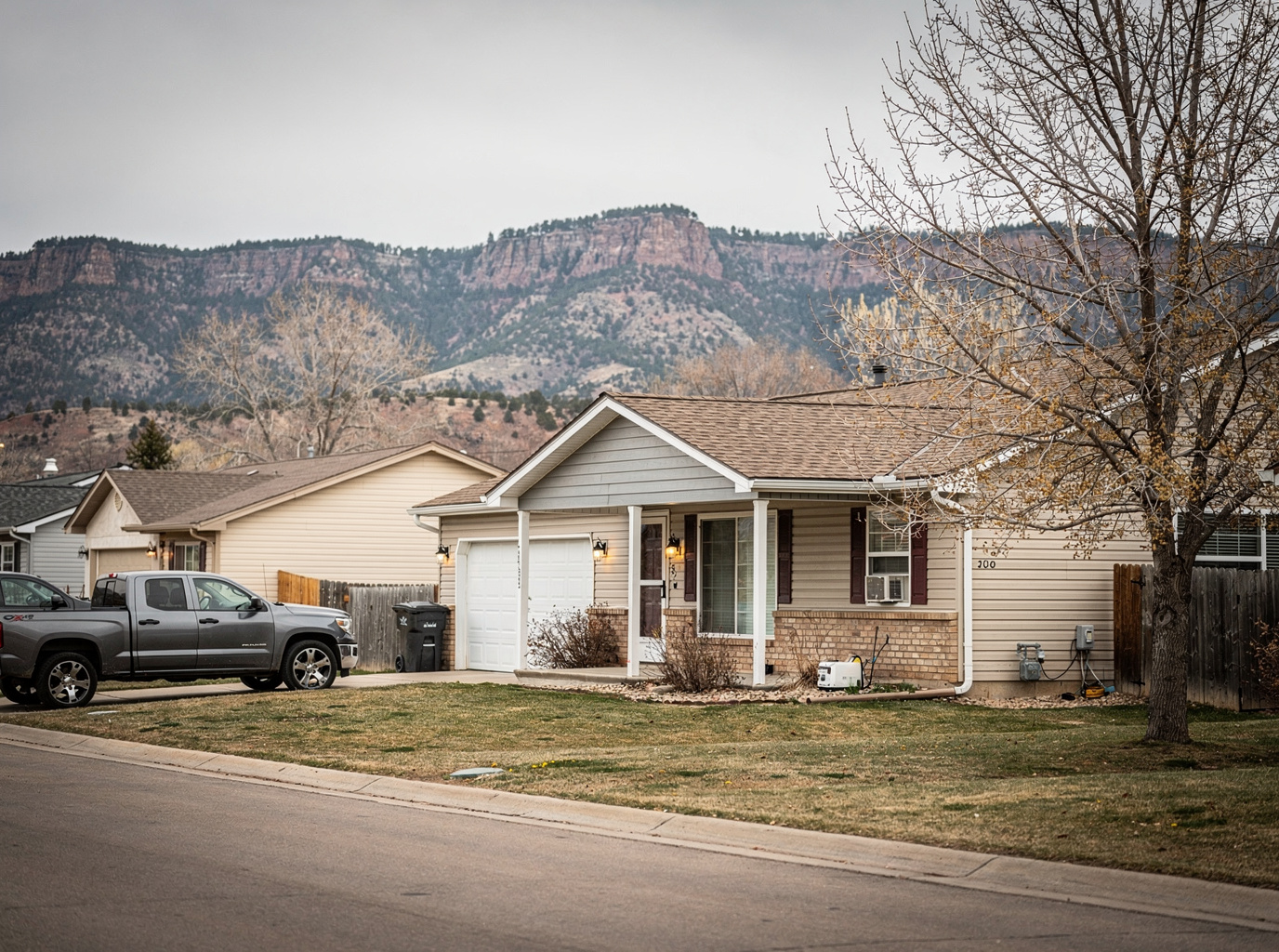
Rapid City homes often test high for radon because the uranium-bearing rocks and soils of the Black Hills create elevated local concentrations that the EPA zone 2 map averages out across larger regions. Pennington County sits directly adjacent to these formations, and homes in Downtown, Westside, and North Rapid commonly feature older basements that allow pressure-driven entry from the ground.
EPA Zone Maps Versus Pennington County Conditions
The EPA zone 2 label indicates predicted levels between 2.0 and 4.0 pCi/L on average, yet actual readings in Rapid City frequently run higher. This gap appears because zone maps rely on broad county-level data that smooths over the granite intrusions and glacial deposits found near Mount Rushmore and Crazy Horse Memorial. Homes built on or near these features encounter stronger radon sources than the map suggests. Wind patterns common in the continental climate further increase negative pressure indoors, pulling gas through foundation cracks more aggressively than in flatter parts of the state.
Soil and Terrain Influences Near Rapid City
Pennington County terrain includes slopes and drainages that channel radon toward residential lots in Rapid Valley and South Rapid. The frequent wind noted in local weather records creates stack effect ventilation that lowers indoor pressure relative to the soil gas outside. Older housing stock from the mid-20th century often lacks modern vapor barriers, allowing easier migration. Newer subdivisions near Box Elder show similar results when built on fill material sourced from the hills. These physical conditions explain why mitigation systems sized for zone 2 predictions sometimes need extra fan capacity here.
Housing Age and Construction in Key Neighborhoods
Many homes in Downtown and Westside date to periods when basement construction used minimal sealing details. Slab-on-grade homes in North Rapid still test high when perimeter joints allow entry during cold winter months. Rapid City Regional Airport expansion areas and nearby developments in Summerset share similar soil profiles. Residents in these neighborhoods benefit from understanding that standard zone-based assumptions do not account for the specific foundation types common along Main Street Square corridors or near Storybook Island.
Seasonal Climate Effects on Radon Entry
Continental climate swings between cold winters and warm summers change how radon moves through Rapid City homes. Wintertime heating increases the stack effect, drawing more gas upward through basements in South Rapid and Rapid Valley. Summer winds reverse some pressure dynamics yet still ventilate crawl spaces unevenly. These patterns mean year-round radon testing captures the true picture better than seasonal spot checks. Homeowners who test only in summer may miss the higher winter readings typical across Pennington County.
Next Steps for Accurate Assessment
Start with a long-term test kit placed in the lowest lived-in level to establish baseline levels. If results exceed 4.0 pCi/L, professional radon mitigation tailored to local soil and wind conditions provides reliable reduction. Systems installed in Rapid City homes routinely address the higher source strength from Black Hills geology. Contact Rapid City Radon Pros Mon–Fri 8am–6pm or Sat 9am–2pm to schedule testing that reflects actual neighborhood conditions rather than zone averages.